Rules and ethics
Self Assessment deadlines and the £1,000 trading allowance for UK finance creators
What UK finance creators owe HMRC: Self Assessment registration and filing dates, the £1,000 trading allowance, records, Making Tax Digital and VAT monitoring.
What to take away
- Finance influencers who earn from brand deals, affiliate links or platform payments must register with HMRC once gross trading income passes £1,000 in a tax year.
- The trading allowance is £1,000below it you generally need no Self Assessment for that income, above it you either deduct it or claim expenses, not both.
- Registration for Self Assessment is due by 5 October after the tax year ends; the online return and payment follow by 31 January.
- Keep records of every payment, invoice, free product and platform statement, because HMRC can ask to see them.
- Making Tax Digital for Income Tax replaces the annual return with quarterly updates for sole traders above the turnover threshold.
- Sole trader status is simpler; a limited company means Companies House filings and different tax rules.
Who counts as a finance creator for HMRC, and when trading starts
HMRC does not have a category called finance influencer. It has a category called self-employed trader. If you earn money from content about money, you are probably in it.
That covers a wide set of activities. A YouTube channel reviewing cash ISAs. A TikTok account explaining credit scores. A newsletter with affiliate links to brokers. A podcast paid for a sponsored segment. A Instagram account promoting a budgeting app.
The subject matter does not change the tax treatment. A creator making videos about football and a creator making videos about pensions are both trading if they earn from the work.
What changes is the regulatory layer on top, and the FCA, ASA and CMA all take an interest in how money content is promoted. Which UK rules touch finance creator work matters here, because a paid promotion of a financial product carries obligations that a general lifestyle post does not.
Trading usually starts when you begin the activity with a view to profit, not when you first get paid. If you set up a channel in January and land your first brand deal in June, the trade generally began when you started operating in a businesslike way.
Some income is not trading income at all. Selling a used camera you no longer need is a private sale. Selling a course you built is trading. HMRC looks at frequency, organisation and profit motive.
Gifted products complicate the picture. A free product sent in exchange for coverage is usually taxable income at its market value, because you received something of value for your work.
A free product sent with no obligation and no expectation of coverage is closer to a genuine gift, though the line is thin and HMRC expects you to judge it honestly.
If you are employed and create content on the side, you can be both employed and self-employed. Both sets of income go on the same Self Assessment return. The employment is taxed through PAYE; the trading income is not.
The trading allowance and the £1,000 threshold in practice
The trading allowance is £1,000 of gross trading income per tax year. Gross means before expenses, not profit. That distinction catches people out.
Trading allowance or actual expenses
Is your gross trading income over £1,000?
Register, then choose allowance or expenses
Usually no return needed for this income
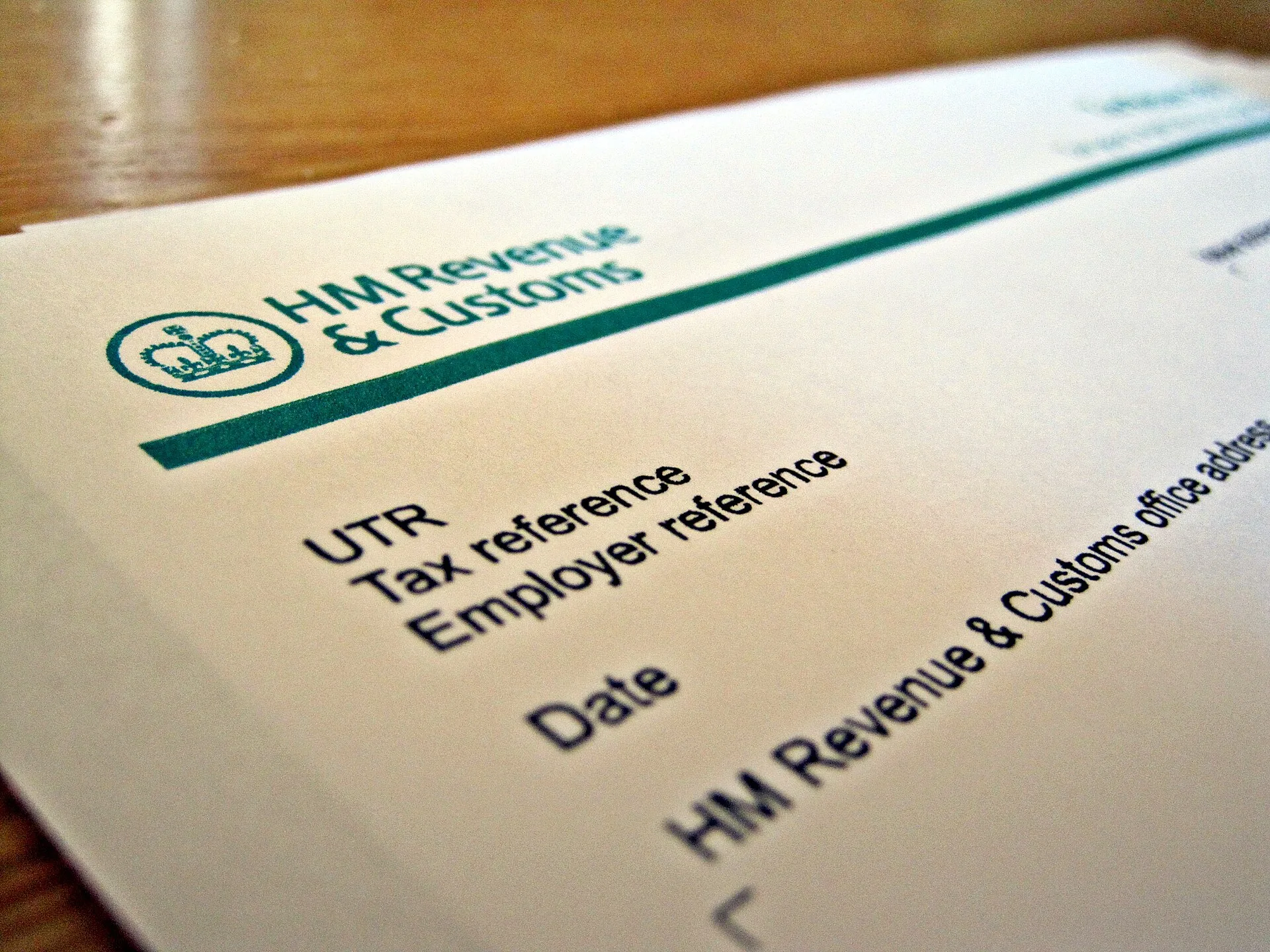
The allowance is set by HM Revenue & Customs, which also sets the registration and filing rules that follow from it.
Below £1,000 of gross trading income, you generally do not need to tell HMRC or file a return for that income. Above it, you have a choice to make. The Self Assessment tax returns: Overview - GOV.UK page is the place to start for the filing rules that follow.
Trading allowance in practice
Gross trading income
- Occasional small earnings
- Under £1,000
- First year over the line
- £1,001 to roughly £10,000
- Established creator
- Well above £1,000
- Mixed income
- Trading plus employment
What you do
- Occasional small earnings
- Usually no return needed for this income
- First year over the line
- Register, then choose allowance or expenses
- Established creator
- Register, claim actual expenses if larger
- Mixed income
- One return covering both
Option one is the trading allowance. You deduct £1,000 from your gross income and pay tax on the rest. You cannot also claim expenses against that income. No receipts, no mileage, no software subscriptions.
Option two is actual expenses. You add up allowable costs, deduct them from gross income, and pay tax on the profit. If your expenses exceed £1,000, this usually wins. Camera gear, editing software, a portion of broadband, and travel to shoots are typical examples.
You choose the method that gives the lower taxable figure. You do not have to stick with the same method every year, but switching back and forth to suit yourself invites questions.
The allowance applies per person, not per business. If you run a content business and a separate freelance editing business, you do not get £1,000 for each. It is one allowance against your total trading income.
It also does not cover property income or employment income. Rent from a spare room is a different regime with its own reliefs.
Registering for Self Assessment: deadlines, HMRC online services and the app
Registration is not the same as filing. You register once, then file every year until HMRC agrees you have stopped trading.
Self Assessment key dates
- 5 OctoberRegister after your first trading year
- 31 OctoberPaper return deadline
- 31 JanuaryOnline return and tax payment
- 31 JulySecond payment on account
Registering for Self Assessment
- Check if gross trading income is above £1,000
- Create a Government Gateway account
- Register as self-employed and await your UTR
- File the return and pay what you owe
- Keep filing each year until HMRC confirms you stopped
The registration deadline is 5 October after the end of the tax year in which you started trading. Start trading in June 2026, and the tax year ends 5 April 2027, so registration is due by 5 October 2027.
Filing and payment deadlines are the ones people remember. The Self Assessment overview page sets out the core dates: paper returns by 31 October, online returns and any tax owed by 31 January, and a second payment on account by 31 July.
Penalties start immediately after 31 January: £100, then daily charges after three months, then percentages of tax owed. Late payment interest runs from the day after the deadline.
The HMRC app lets you check your tax code, view your return status and make payments. It does not replace the full online service for filing a return with trading income. Treat it as a companion, not a substitute.
Payments on account catch out first-year creators. If your bill exceeds £1,000 and less than 80 per cent was collected at source, HMRC asks for half of next year's expected bill in advance, on 31 January and 31 July. Budget for it.
Record-keeping duties for brand deals, affiliate income and gifted products
You must keep records that support every figure on your return. HMRC can ask to see them, and the burden of proof sits with you.
Keep these categories separate, and keep five amounts separate so you always know which pound came from where.
Records to keep for your return
- Brand deal invoices and contracts
- Affiliate and platform statements, downloaded monthly
- Gifted product records with market value
- Business expenses with receipts
- Mileage and travel logs
- Bank statements for income account
- VAT records if registered
A simple spreadsheet works. So does accounting software. What matters is that a stranger could follow the trail from a payment in your bank to a line on your return.
Brand deals are the messiest. A deal might pay a flat fee, a fee plus commission, or free product plus a smaller fee. Each element is income at the point you earn it, not when the invoice is paid, if you use traditional accounting.
Affiliate income arrives as small amounts from several networks. Download the statements monthly, because some platforms only keep a limited history visible. Reconcile the total against your bank.
Platform payments, such as ad revenue shares, are usually reported to you net of the platform's cut. Record the gross figure you earned and the fee as a separate expense if the platform states it.
Gifted products need a value. Use the retail price at the time you received the item, and note why you chose that figure. If you later sell the item, that is a separate disposal.
Keep records for at least five years after the 31 January deadline for the relevant tax year. That is longer than most creators assume.
Making Tax Digital for Income Tax: the step-by-step sequence for sole traders
Making Tax Digital for Income Tax changes the rhythm of filing. Instead of one annual return, you send quarterly updates and a final declaration.
Making Tax Digital quarterly deadlines
- 7 AugustFirst quarterly update
- 7 NovemberSecond quarterly update
- 7 FebruaryThird quarterly update
- 7 MayFourth quarterly update
- 31 JanuaryFinal declaration and payment
The Making Tax Digital for Income Tax for sole traders and landlords: step by step - GOV.UK collection is the authoritative sequence, and it is worth working through in order.
Making Tax Digital sequence
- Check whether you are in scope. The threshold applies to gross income from self-employment and property, and it has been phased in by turnover band.
- Choose compatible software. Spreadsheets can work if they are bridging software that connects to HMRC.
- Authorise the software to submit on your behalf through your Government Gateway credentials.
- Send your first quarterly update by the deadline for the quarter it covers.
- Send the remaining quarterly updates and then the final declaration after the tax year ends.
- Pay the bill by the usual 31 January date.
The quarterly deadlines fall roughly a month after each quarter ends: 7 August, 7 November, 7 February and 7 May. These are submission dates, not payment dates. Payment stays at 31 January and 31 July.
Digital records become mandatory. That means no shoebox of receipts and a handwritten total. Your records must be kept in digital form and the summary figures sent through compatible software.
If you already use accounting software, the transition is mostly administrative. If you work from a spreadsheet, check whether it can be bridged, or move to software before the deadline rather than the week of it.
Exemptions exist for some people, including those who cannot use digital tools for religious or practical reasons. They are narrow and you have to apply.
Sole trader or limited company: Companies House and incorporation choices
Sole trader is the default. You register with HMRC, file one return, and pay income tax and Class 4 National Insurance on profits. There is no separate legal entity and no public filing of accounts.
Sole trader versus limited company
Sole trader
- Legal entity
- No separate entity
- Tax paid
- Income tax and Class 4 NI
- Public filing
- None
- Admin
- One return
- Contracts
- Signed personally
Limited company
- Legal entity
- Separate legal person
- Tax paid
- Corporation tax on profits
- Public filing
- Accounts at Companies House
- Admin
- Payroll, confirmation statement
- Contracts
- Signed by the company
A limited company is a separate legal person. You become an employee or director of your own company, and the company pays corporation tax on its profits. You can incorporate through Set up a private limited company: Limited companies - GOV.UK, which covers the registration process and the filings that follow.
Incorporation brings obligations. Annual accounts go to Companies House. A confirmation statement is filed each year. Director details are public. Payroll, and possibly a PAYE scheme, come with the territory.
The tax argument for incorporating is not automatic. Corporation tax rates, dividend allowances and National Insurance all interact, and the sums depend on how much profit you make and how you take it out. Many creators earning modest amounts pay less tax and far less admin as sole traders.
The argument for incorporating is often about liability and image, not just tax. A limited company can sign contracts in its own name, which matters if a brand deal goes wrong. Some larger brands prefer to contract with a company.
A middle path exists: stay a sole trader but open a separate business bank account. It keeps records clean and makes the bookkeeping cheaper at the end of the year.
If you incorporate mid-year, you do not simply switch off the sole trade. You may run both for a period, and both sets of income need reporting.
VAT, invoicing and pricing finance influencer work
VAT registration is compulsory once your taxable turnover over a rolling 12-month period passes the registration threshold. It is not optional, and HMRC expects you to monitor it, not wait for a letter.
After you register, you must add VAT to your invoices and can claim back VAT on items bought for the business. The rates you apply depend on what you are selling, and VAT rates on different goods and services - GOV.UK sets out the standard, reduced and zero rates.
Most creator services are standard-rated. Advertising and promotional services are standard-rated. Digital services sold to consumers are generally standard-rated in the UK.
Some income is outside the scope. Affiliate commission paid from an overseas network can raise place of supply questions. Take advice before assuming it is exempt.
What a valid VAT invoice shows
- Your VAT number
- The invoice date
- A sequential invoice number
- The customer
- A description of the service
- The net amount, VAT rate and VAT amount
The pricing question follows from this. If you quote a brand £2,000 and you are not VAT registered, you receive £2,000. Once registered, you either absorb the VAT or add it to the invoice. Most creators add it, which means the brand pays more.
There are several routes to payment in this market, and Five ways finance creators get paid maps them against the compliance load each one carries.
Late payment is common. Agree payment terms in the contract, invoice promptly, and chase on a schedule rather than when you remember.
What to do when tax is overpaid or underpaid
Underpayment is the more common problem, and it is fixable. If you owe tax you cannot pay by 31 January, contact HMRC before the deadline rather than after. A payment plan is usually available and interest is lower than the penalties for silence.
If you have underpaid because you forgot to include income, amend the return. You can amend an online return within 12 months of the filing deadline. After that, you write to HMRC with the correction.
Overpayment happens more often than people think. Common causes include claiming the trading allowance when expenses would have been larger, missing a payment on account already made, or entering income twice.
If you have overpaid, claim a refund through your HMRC online account. Refunds usually arrive within a few weeks, though checks can slow them down.
If you have stopped trading, tell HMRC. You may be able to file a final return and close the record, which stops the annual filing cycle. Do this properly rather than simply not filing.
If your income has dropped below the £1,000 trading allowance and you have no other reason to file, you can ask HMRC to withdraw the notice to file. Keep the request in writing.